Purulia & Jhargram — Orbitz Holidays domestic tour
India

Purulia & Jhargram

India · East India

  • Package priceFrom ₹10,000
  • Suggested stays3–4 Days

Your destination at a glance

Overview

Published by Orbitz Holidays · Last reviewed

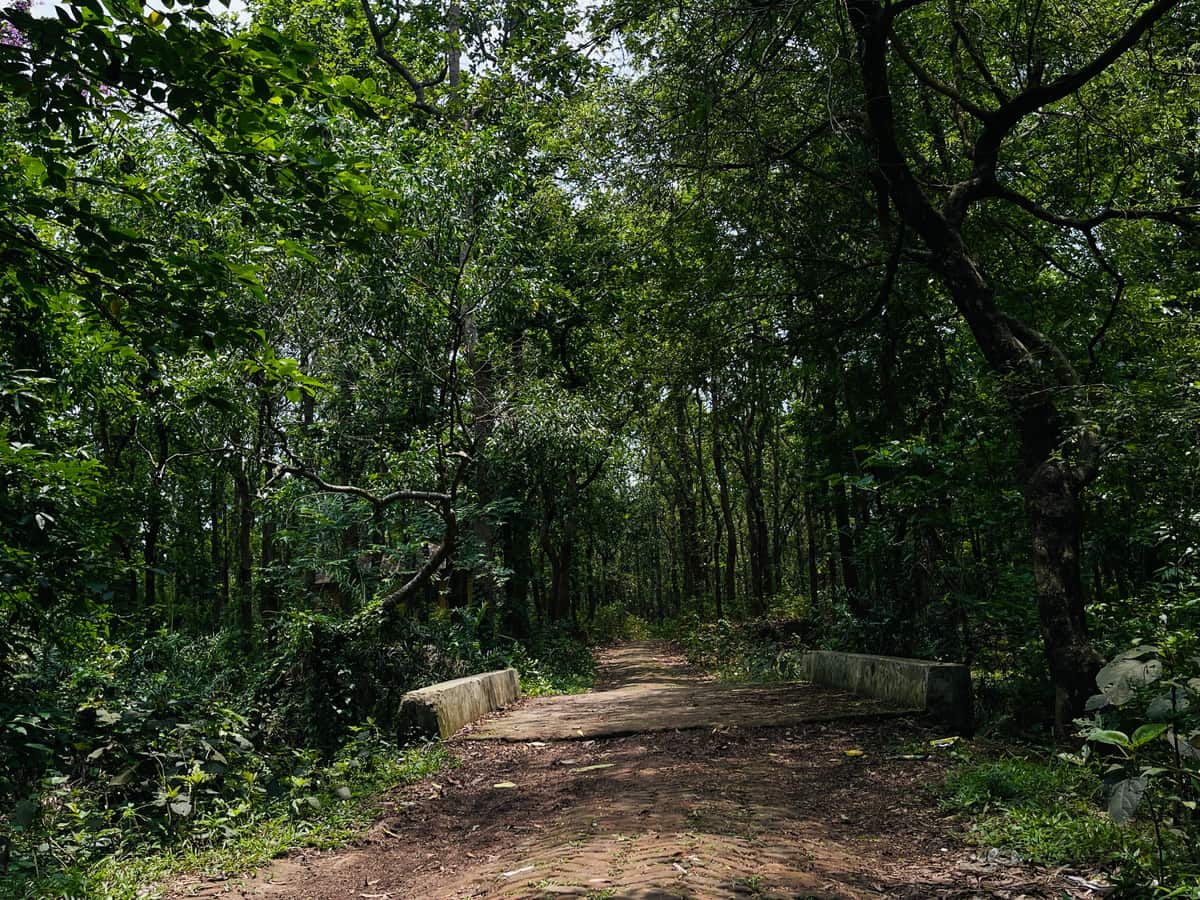
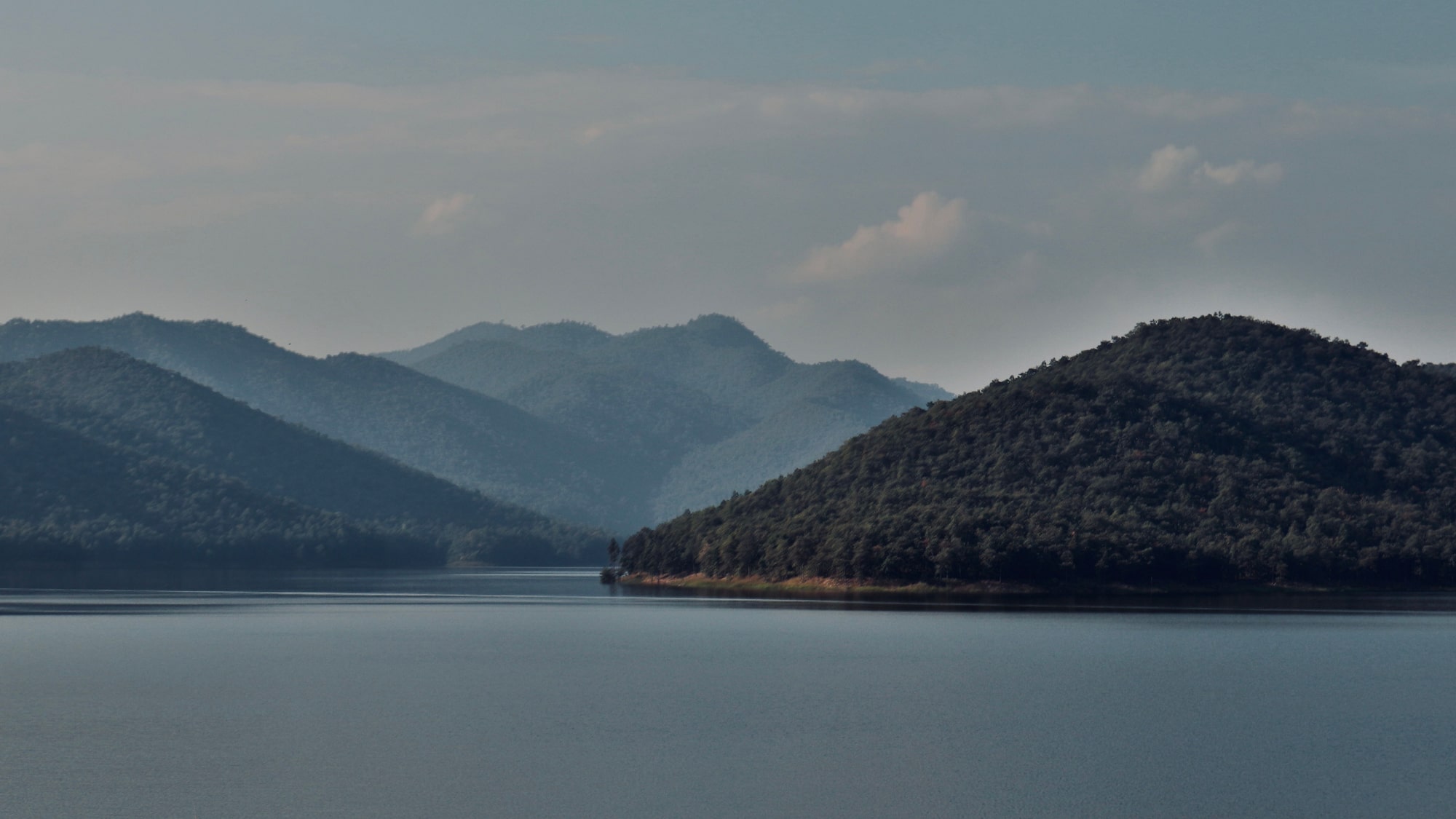
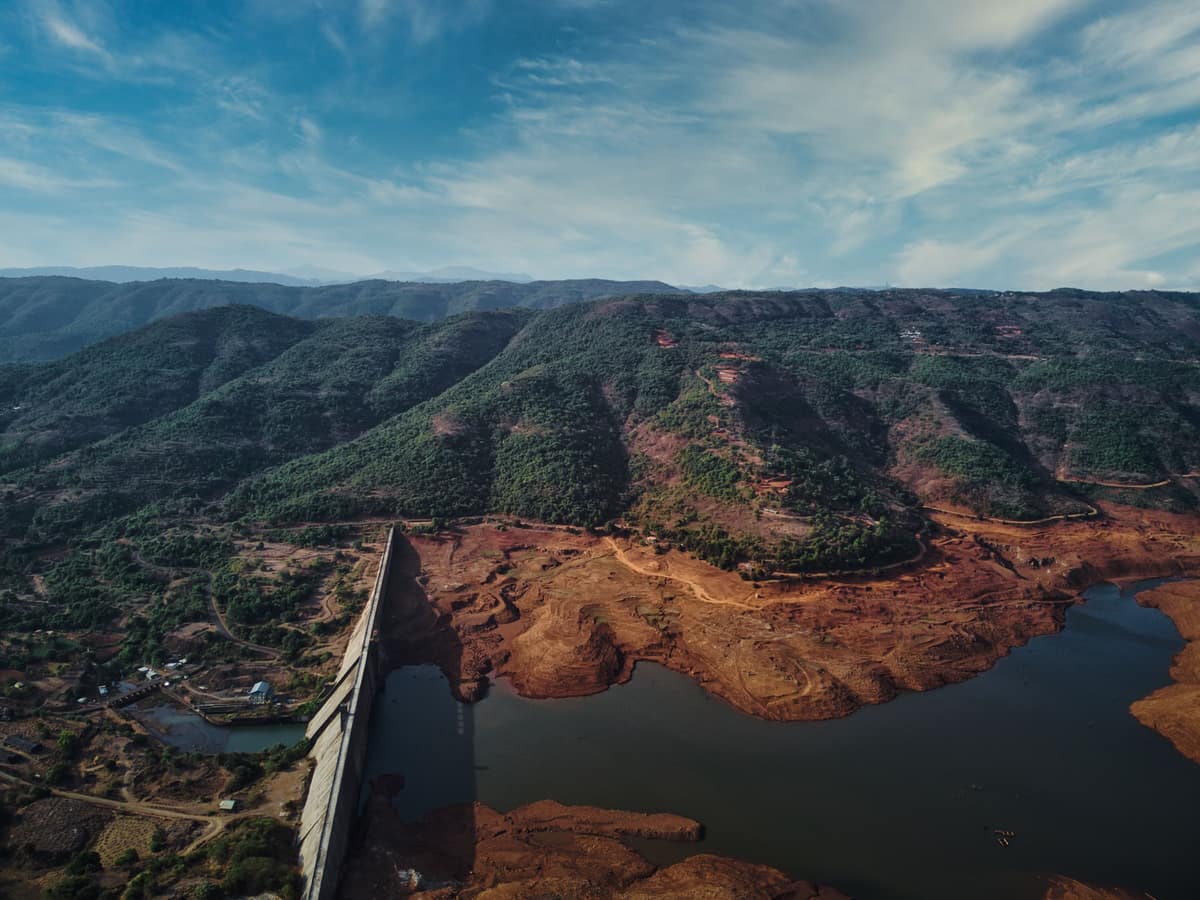
Purulia and Jhargram make a compact road-based break through forest, low hills and rural landscapes in western West Bengal. Both lie in the state's western belt where the Chhotanagpur plateau begins, a dry, rocky, red-soil country of sal forest, low hills, tribal villages and reservoirs held between ridges. Ayodhya Hills is the heart of the Purulia side, with waterfalls, a hilltop plateau and dams; Baranti and Garpanchkot pair still water with hill silhouettes; and Jhargram adds sal woodland, a deer park and Santhal village life. The region is at its most striking in late winter and early spring, when palash and simul come into flower and the bare landscape turns red and orange.

Purulia & Jhargram at a glance
Best time to visitOct, Nov, Dec, Jan, Feb, Mar (shoulder: Jul, Aug, Sep)
Suggested duration3–4 Days
Starting price₹10,000 per person — a starting figure, confirmed in your proposal
RegionIndia · East India
Trip styleHill, wildlife

Build the days around what matters

Places to visit

Ayodhya Hills, Purulia & Jhargram
Hill StationFull day

Ayodhya Hills

A plateau in the Purulia highlands of rock, scrub and sal forest, with waterfalls, reservoirs and hilltop viewpoints reached by winding roads. Visitors drive the circuit of dams and falls, walk the short trails, and come especially in spring when palash flowers colour the slopes.
Baranti, Purulia & Jhargram
LakeHalf day

Baranti

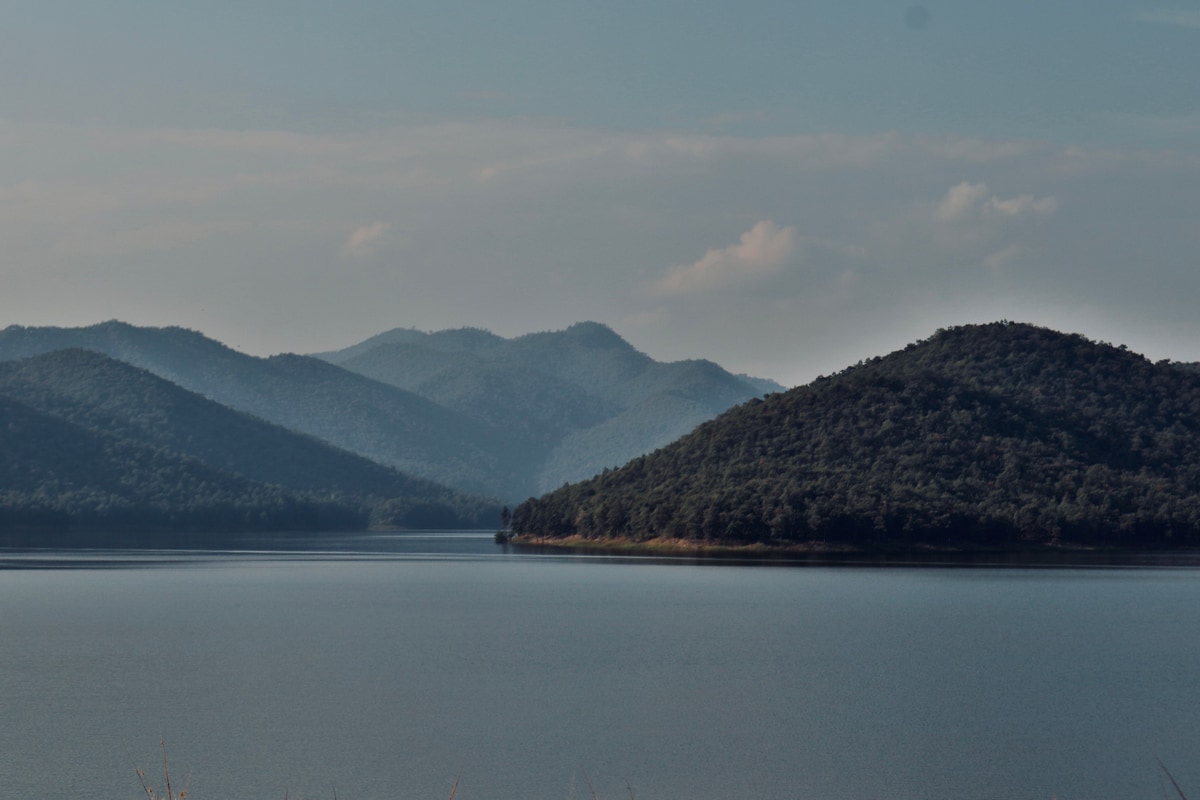
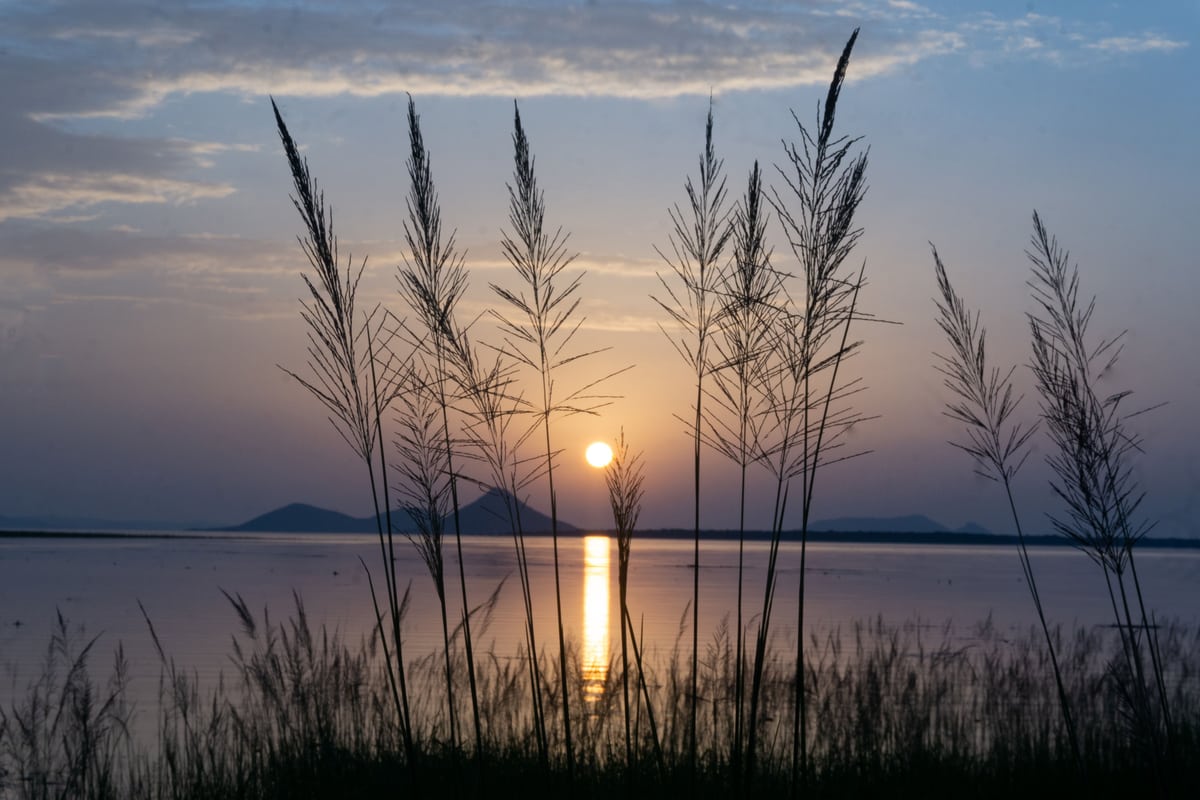
A small village set between low hills and an irrigation reservoir, with a quiet waterfront and the hills reflected in the water. There is little to do beyond walking, boating when it is running and watching the light change, which is exactly why people stay a night or two.

Jhargram Deer Park, Purulia & Jhargram
National Park1–2 hours

Jhargram Deer Park

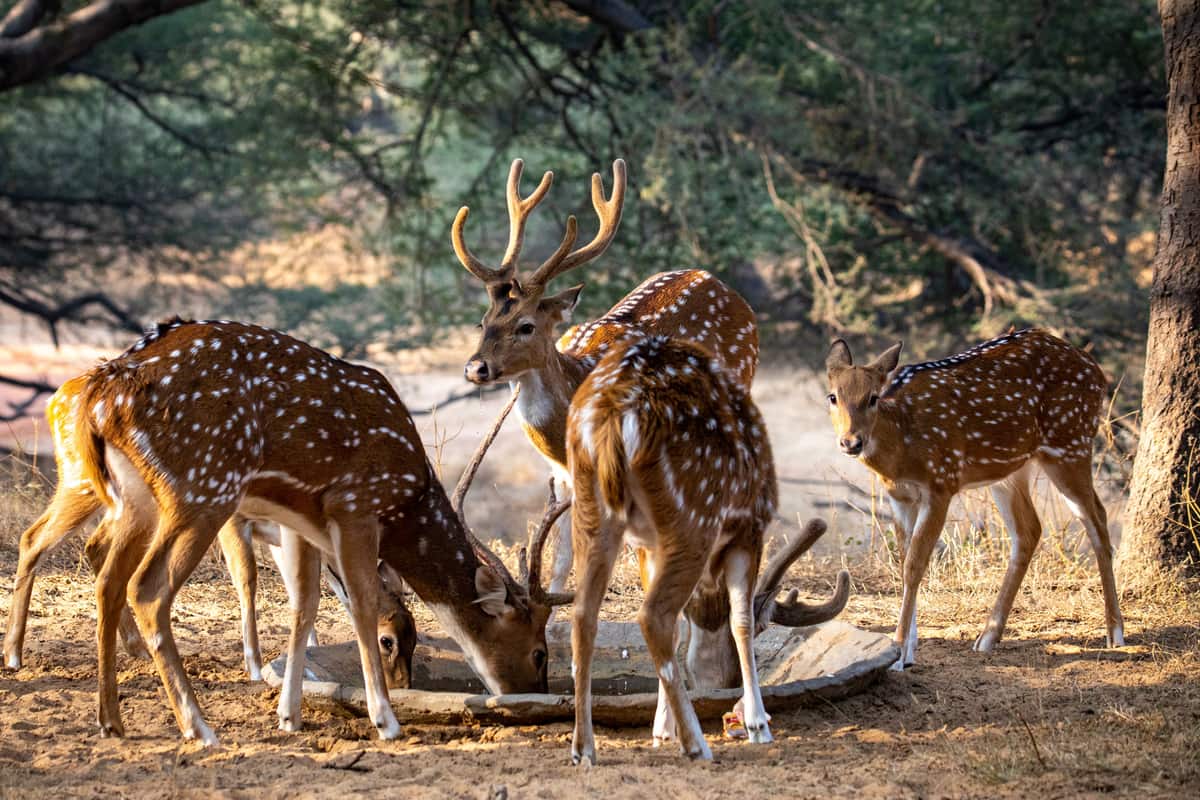
A fenced woodland park on the edge of Jhargram town where spotted deer are kept in a large enclosure among sal trees, along with a small collection of other animals and birds. A short, shaded walking circuit makes it an easy stop with children.

Garpanchkot, Purulia & Jhargram
Heritage Site2–3 hours

Garpanchkot

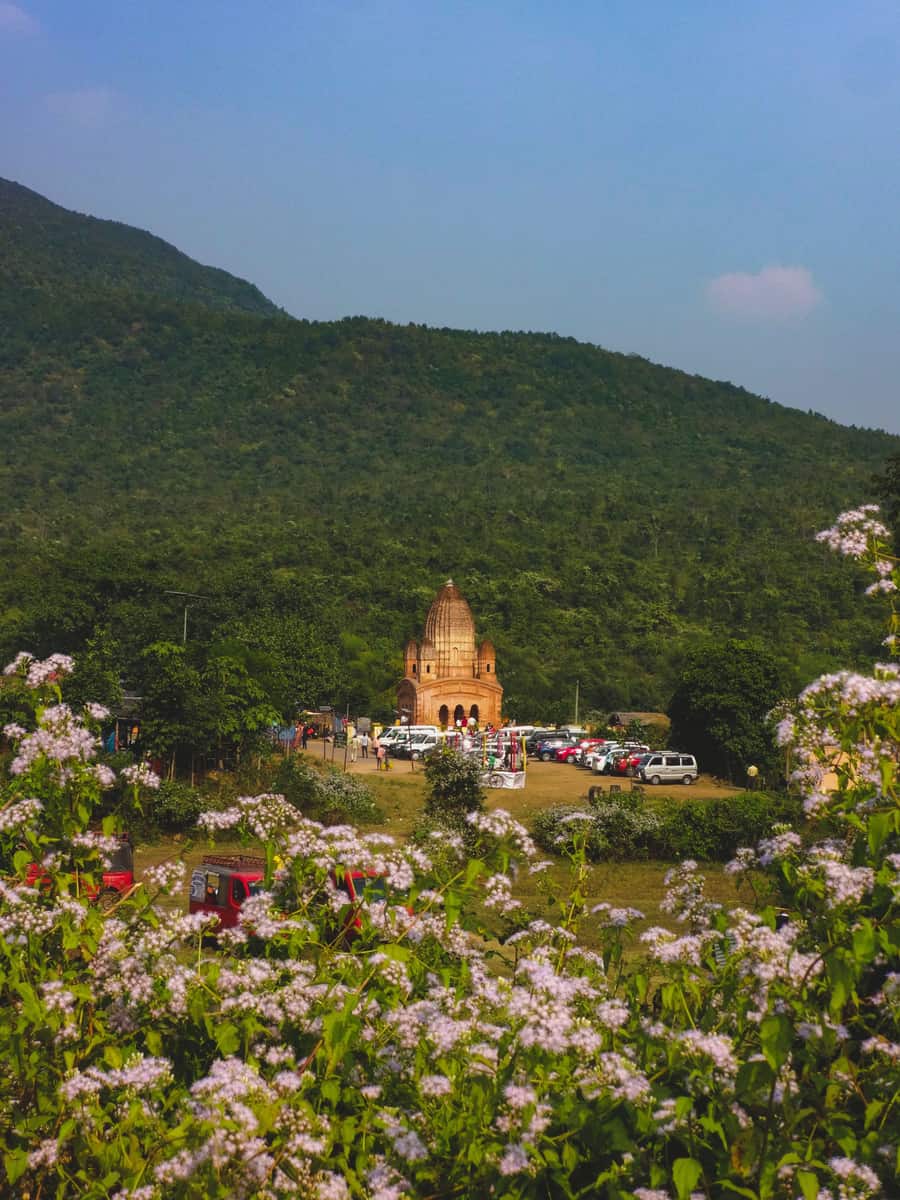
The overgrown remains of a fort and temple complex at the foot of Panchet hill, atmospheric and little visited, with terracotta detail still readable on the brick temples. Visitors wander the ruins, climb part of the hill for the view and combine it with the nearby dam.

Turga Waterfall, Purulia & Jhargram
Waterfall1–2 hours

Turga Waterfall

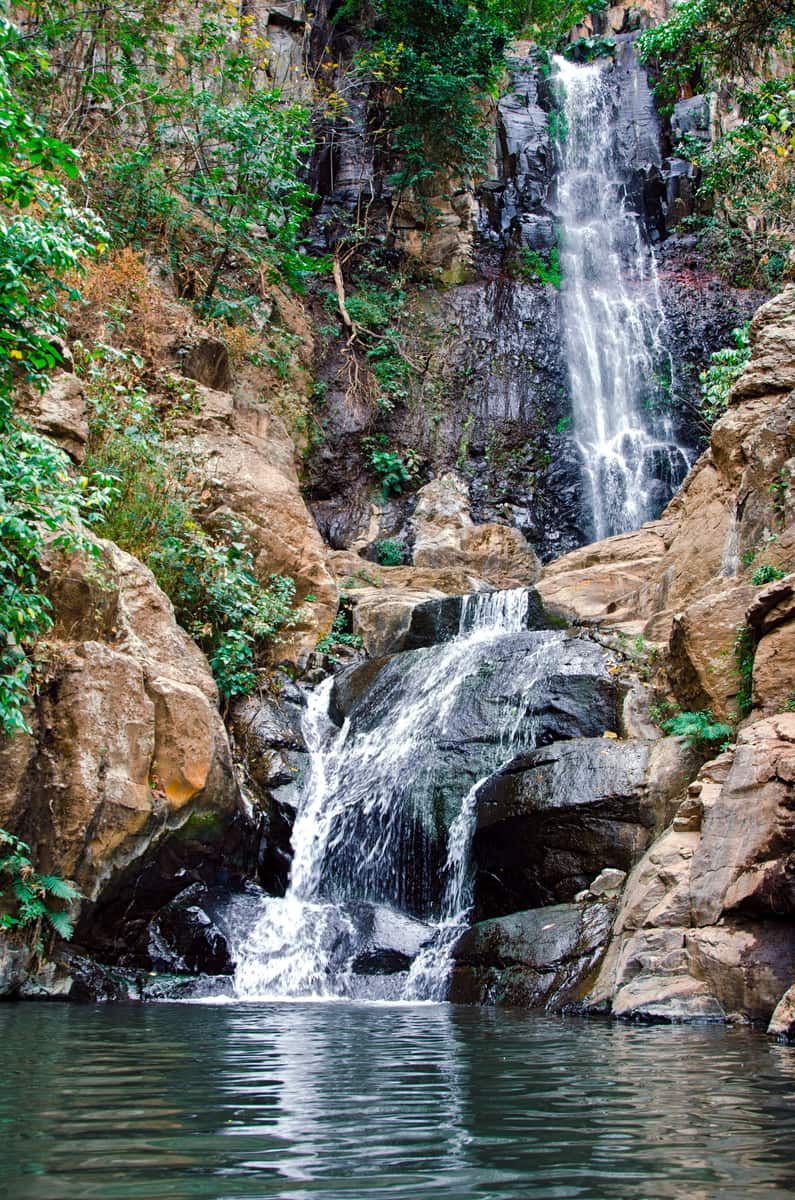
A stream dropping over rock ledges in the Ayodhya Hills, reached by a flight of steps down from the road to the pools at the base. The volume is heavily seasonal, full after the rains and much reduced by late winter, and the rocks stay slippery throughout.

Jhilimili forests, Purulia & Jhargram
Viewpoint2–3 hours

Jhilimili forests

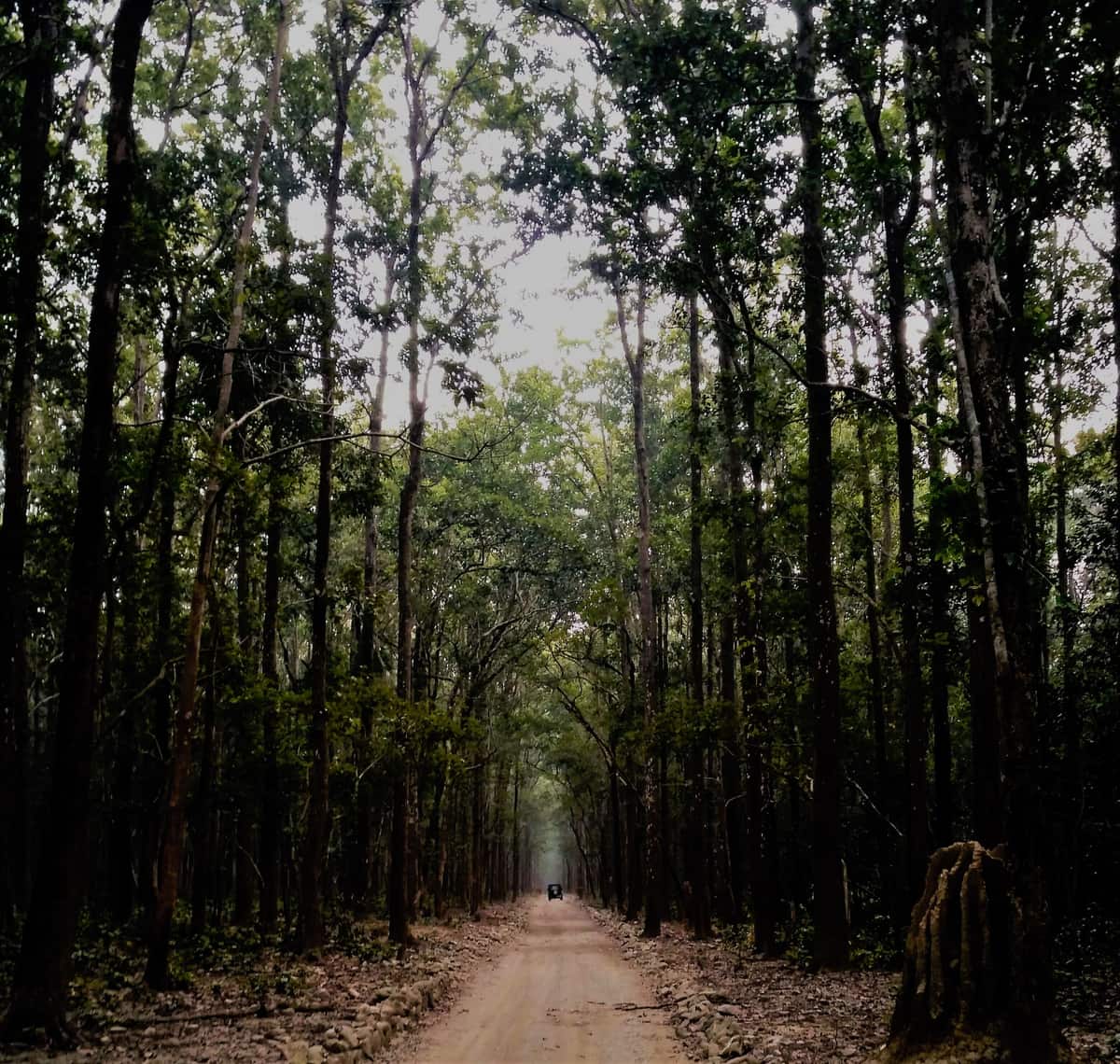
A stretch of sal forest on the plateau edge, visited mainly for the drive through the trees, the quiet and the birdlife. There are no formal sights here; people come for forest picnics, short walks and the surrounding villages and small water bodies.

Kankrajhor forest, Purulia & Jhargram
ViewpointHalf day

Kankrajhor forest

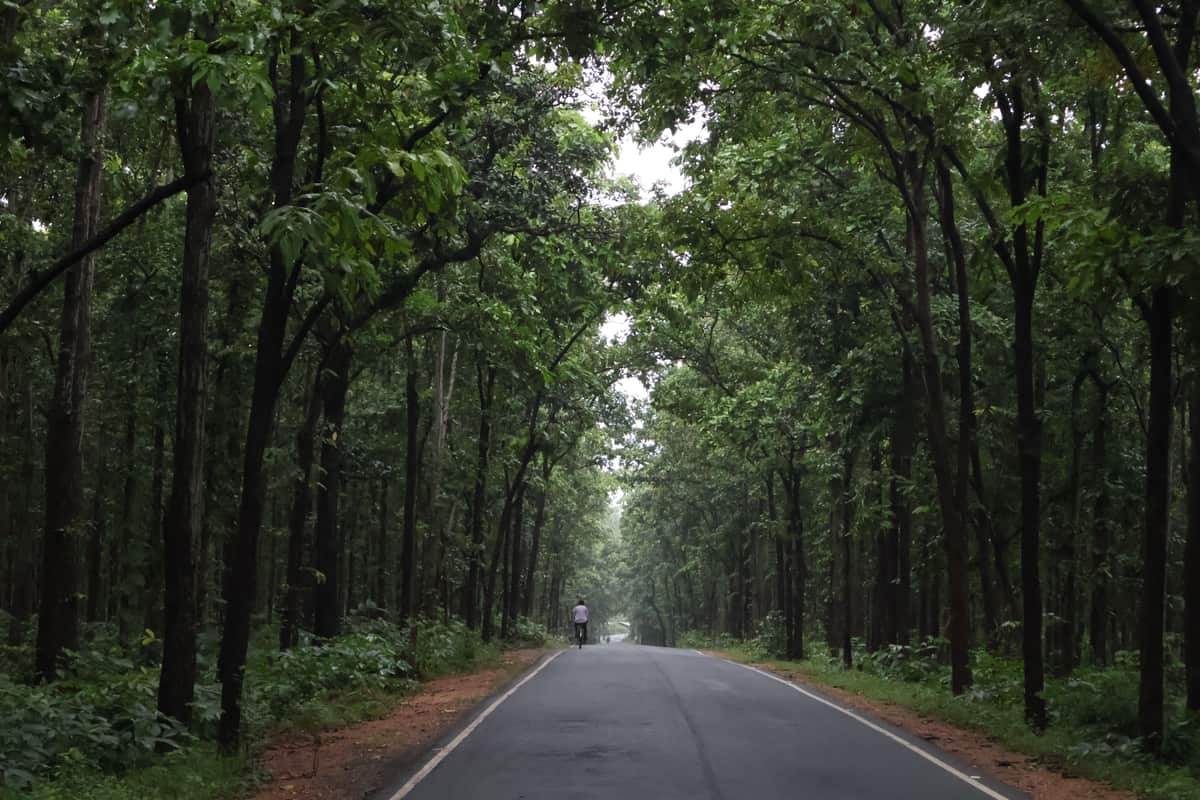
A forested tract in the Belpahari area of Jhargram district, close to the Jharkhand border, with sal woodland, low hills and streams. Visitors drive out for the forest scenery and viewpoints, walk short stretches, and see something of the Santhal villages set among the trees.

A starting point, not a fixed package

Sample itinerary

Draft — subject to confirmation
  1. Day 1

    Ayodhya Hills

    Visit Ayodhya Hills.

  2. Day 2

    Baranti & Turga Waterfall

    Visit Baranti, Turga Waterfall.

  3. Day 3

    Jhargram Deer Park & Jhilimili forests

    Visit Jhargram Deer Park, Jhilimili forests.

  4. Day 4

    Garpanchkot & Kankrajhor forest

    Visit Garpanchkot, Kankrajhor forest.

Season by season

Best time to visit

Janpeak
Febpeak
Marpeak
Apravoid
Mayavoid
Junavoid
Julshoulder
Augshoulder
Sepshoulder
Octpeak
Novpeak
Decpeak
PeakShoulderAvoidAwaiting data

Getting there from India

How to reach

Air

The nearest major airports are in Kolkata and Ranchi, depending on the circuit. Both districts are normally reached by onward road or rail.

Rail

Purulia, Jhargram and nearby junctions receive trains from several eastern and central Indian cities. Check the most convenient station for the first stay.

Road

National and state highways connect the region with neighbouring states. A private vehicle is useful for the spread-out hills, forests, reservoirs and villages.

Know before you go

Travel essentials

Currency

The Indian rupee. Purulia and Jhargram towns have ATMs, but forest lodges, tribal village markets and roadside stops are best handled in cash.

Language

Bengali is the everyday language, with Santhali and Kurmali spoken in tribal villages. Hindi is understood and English works fine at lodges.

Time difference

India uses one national time zone, so no clock change is required. Daylight hours vary by season and longitude.

Weather

Best in the cool dry winter. Plateau summers are punishingly hot and dry, while the monsoon from June turns the sal forest and hills green.

Connectivity

Mobile coverage is generally fine along the highways and in both towns. Forest interiors, the Ayodhya Hills ridges and remote villages have weak or dropping signal.

Food & culture

Meals are homely: rice, dal, seasonal vegetables, freshwater fish and occasional mutton, with winter pithe and patishapta. The region's strongest cultural identity comes from masked Purulia Chhau dance and the music, painted homes and festival traditions of Santhal, Munda and Kurmi communities.

Small details, smoother days

Traveller tips

  1. The palash and simul bloom lasts only a few weeks around late February and March, so time the trip for then if the red-forest landscape is the point of it.
  2. April and May are punishingly hot and dry on the plateau, which makes this a winter and early-spring destination rather than a year-round one.
  3. This is a car trip: the sights are scattered along forest roads with little public transport, so hire a vehicle for the whole circuit rather than point to point.
  4. Turga and the other falls around Ayodhya Hills are strongest after the rains and slow to a trickle by late winter, so set expectations by season.
  5. Stays are guest houses, forest lodges and homestays rather than hotels, and meals are usually pre-ordered, so tell your host what you want and when.
  6. Mobile signal is patchy and there is no lighting on the forest stretches near Jhilimili and Kankrajhor, so finish drives before dusk and carry a torch, cash and your own medicines.

A closer look

Useful answers

Purulia & Jhargram FAQs

October to March is generally the most comfortable period for Purulia and Jhargram, with cooler conditions for road trips and outdoor sightseeing. Late February and March can coincide with the seasonal palash bloom in parts of the region. April and May are very hot, while the monsoon months bring greener landscapes but heavier rain and humidity.

Start a conversation

Plan your Purulia & Jhargram holiday

Share the essentials. An Orbitz Holidays travel planner can follow up with suitable options.

Keep exploring India

Ask about Purulia & Jhargram on WhatsApp