Kenya + Tanzania — Orbitz Holidays international tour
International2 countries

Kenya + Tanzania

Kenya and Tanzania · Africa

  • Package priceFrom ₹4,70,000
  • Suggested stays9–12 Days

Your destination at a glance

Overview

Published by Orbitz Holidays · Last reviewed

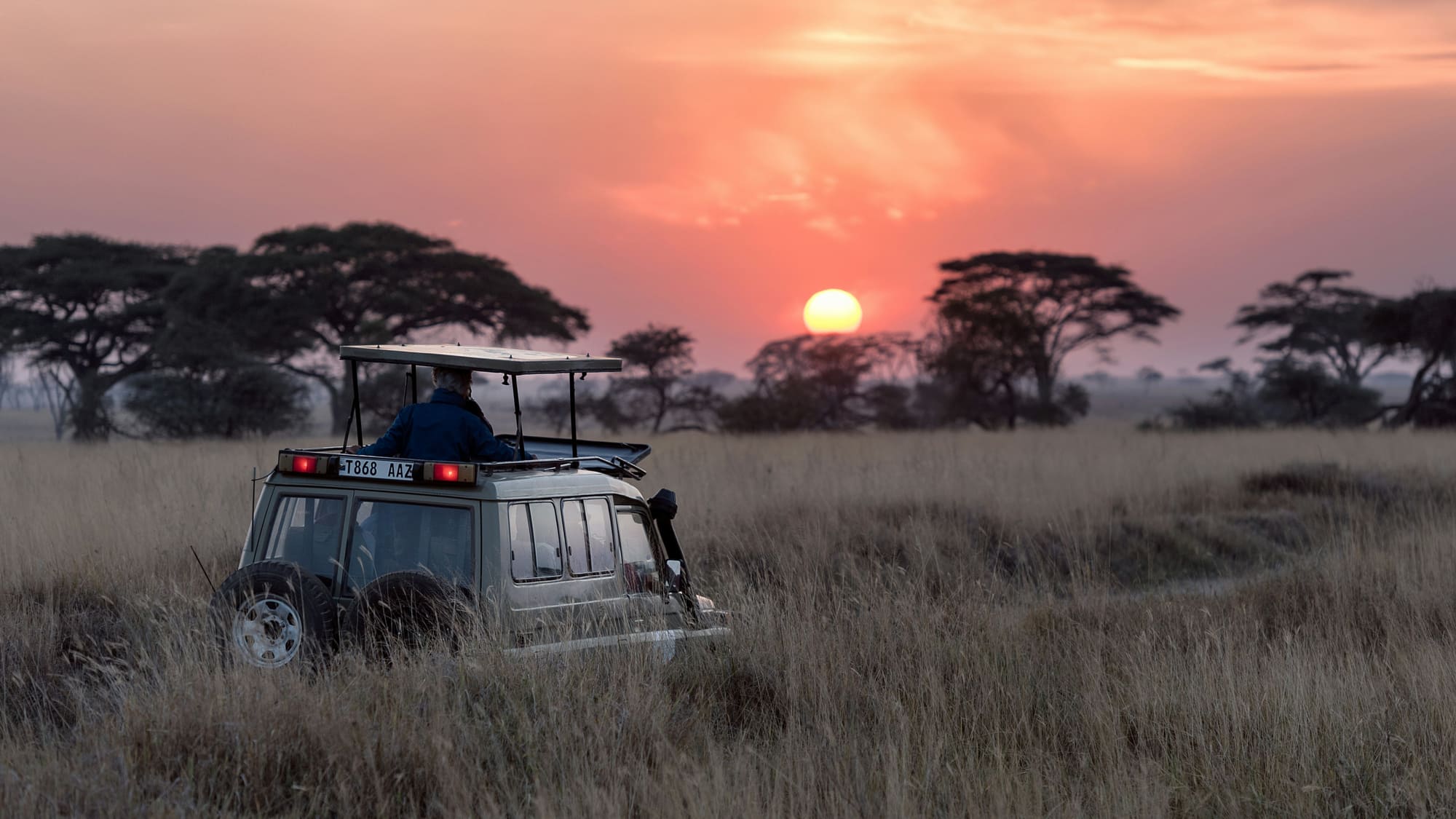
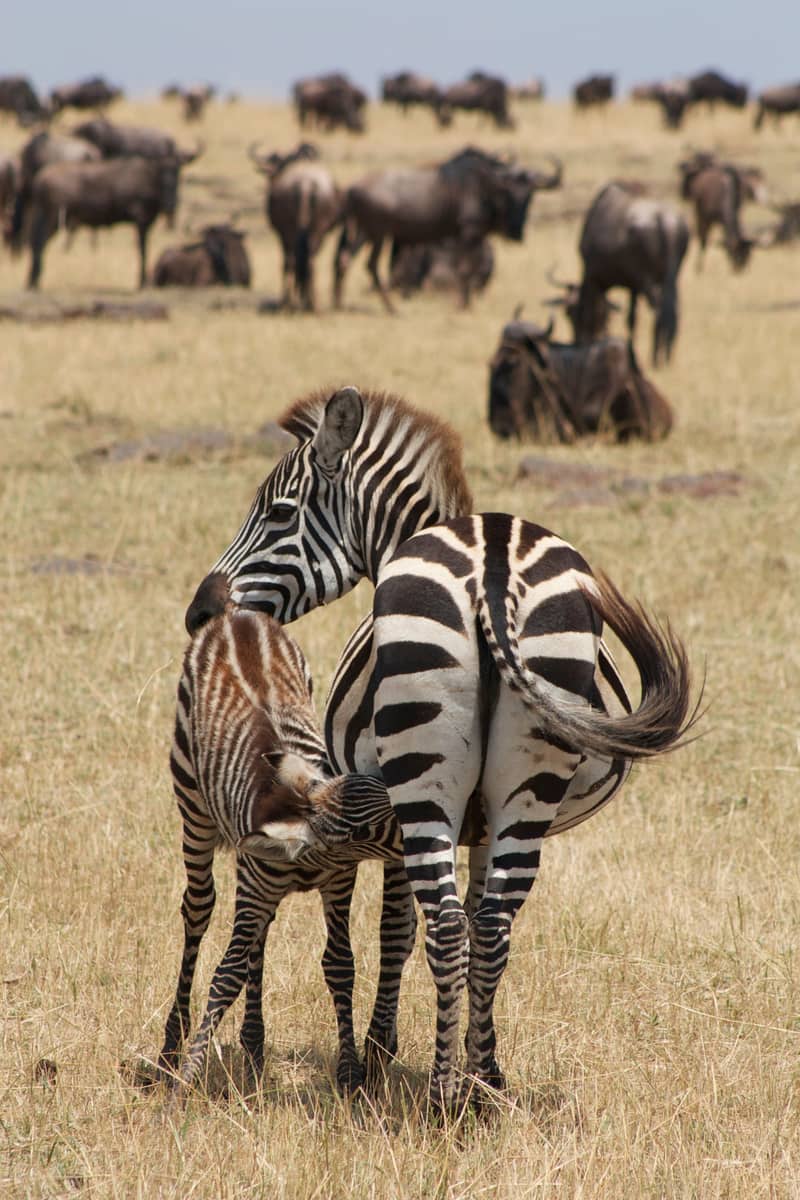
This route follows two halves of a single ecosystem. The grasslands of Kenya's Maasai Mara run without a break into Tanzania's Serengeti, and the wildebeest herds that define the region cross the border twice a year without regard for it. Adding Tanzania brings in the Ngorongoro Crater, a collapsed volcanic caldera holding a resident population of game on its floor, the baobab country of Tarangire, and the option of finishing on Zanzibar, where Stone Town's coral-rag lanes and spice plantations lie an hour's flight from the plains. It is a long trip with border formalities, light-aircraft hops and early starts, and it asks more in time and stamina than a single country. It suits committed wildlife travellers, photographers and couples who would rather go deep once than sample twice.

Kenya + Tanzania at a glance
Best time to visitJun, Jul, Aug, Sep, Oct, Dec, Jan, Feb (shoulder: Mar, Nov)
Suggested duration9–12 Days
Starting price₹4,70,000 per person — a starting figure, confirmed in your proposal
RegionKenya and Tanzania · Africa
Trip styleWildlife, beach

Build the days around what matters

Places to visit

Maasai Mara National Reserve, Kenya + Tanzania
National ParkFull day

Maasai Mara National Reserve

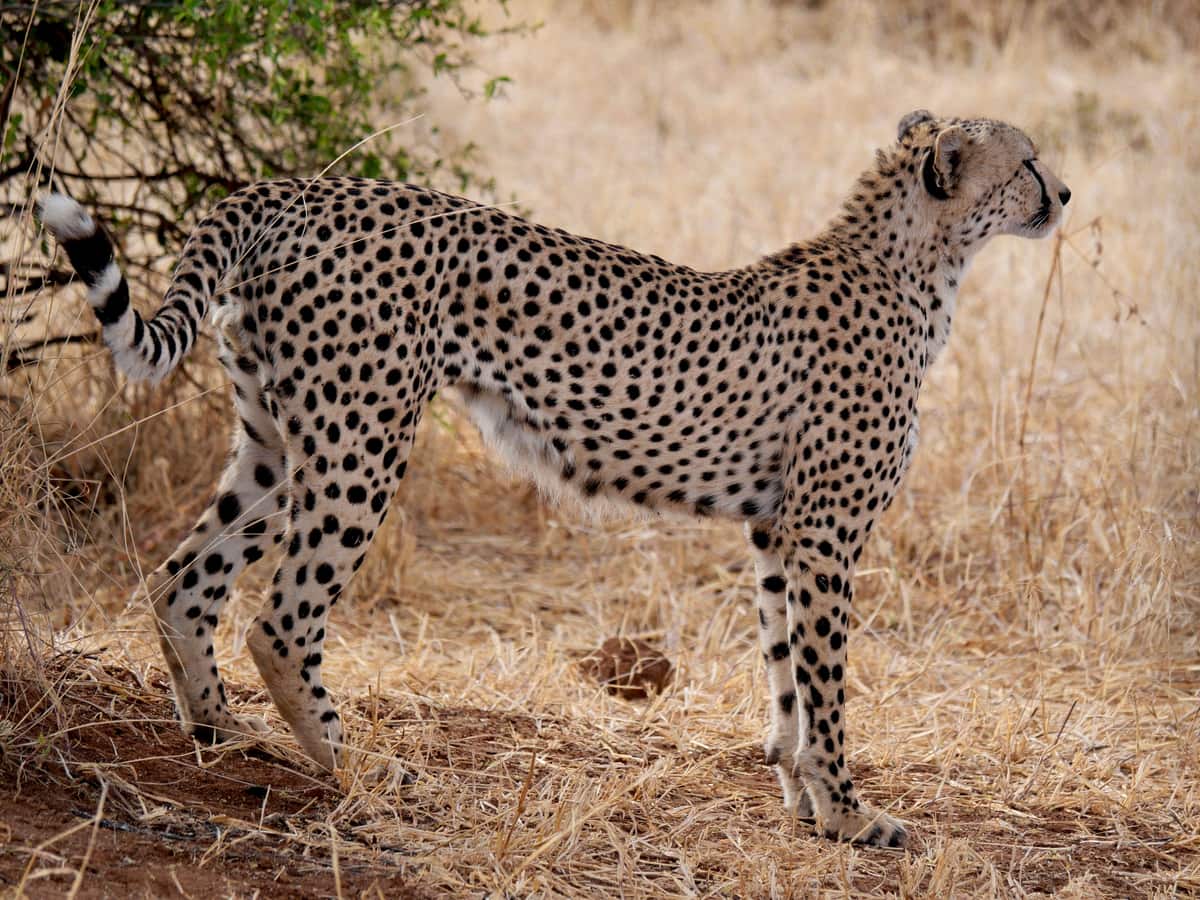
Kenya's flagship reserve, a mix of open grassland and riverine forest in the country's south-west. Morning and evening drives search for big cats, elephant and rhino, and the Mara River crossings draw crowds when migrating herds arrive. Conservancies bordering the reserve permit walking and night drives that the reserve itself does not.
Amboseli National Park, Kenya + Tanzania
National ParkFull day

Amboseli National Park

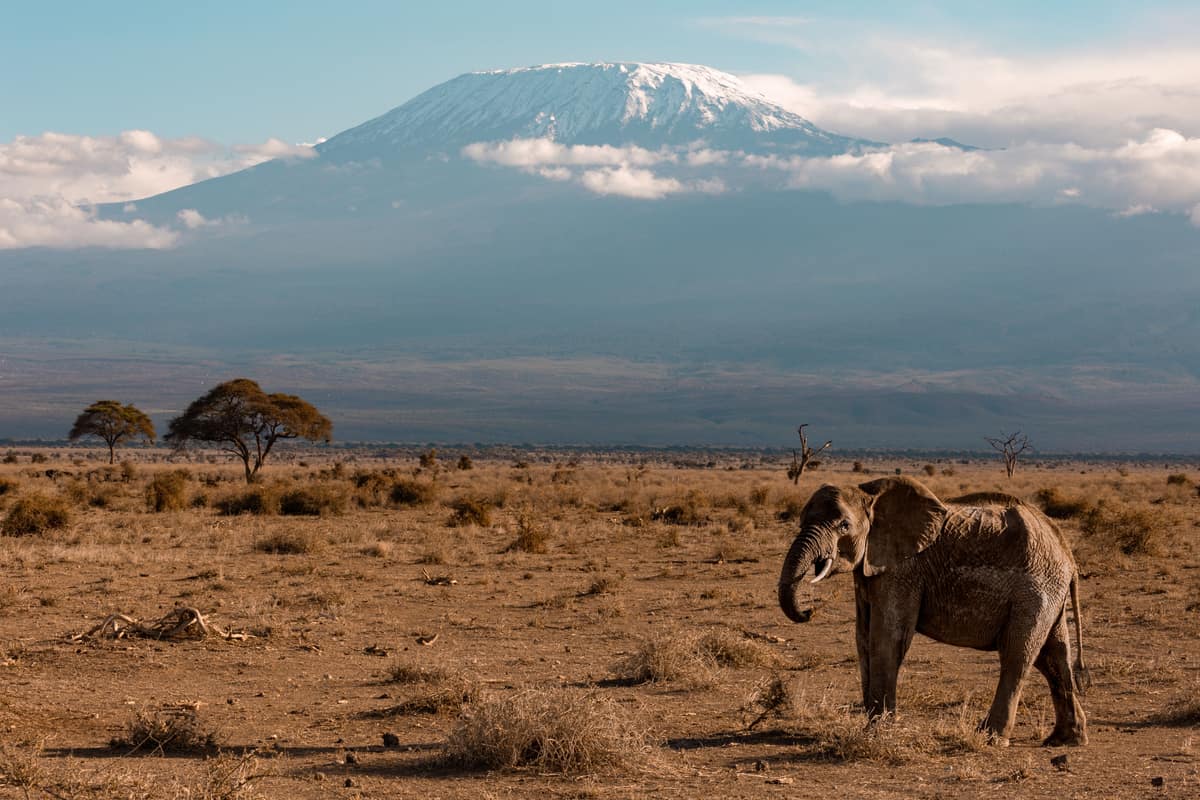
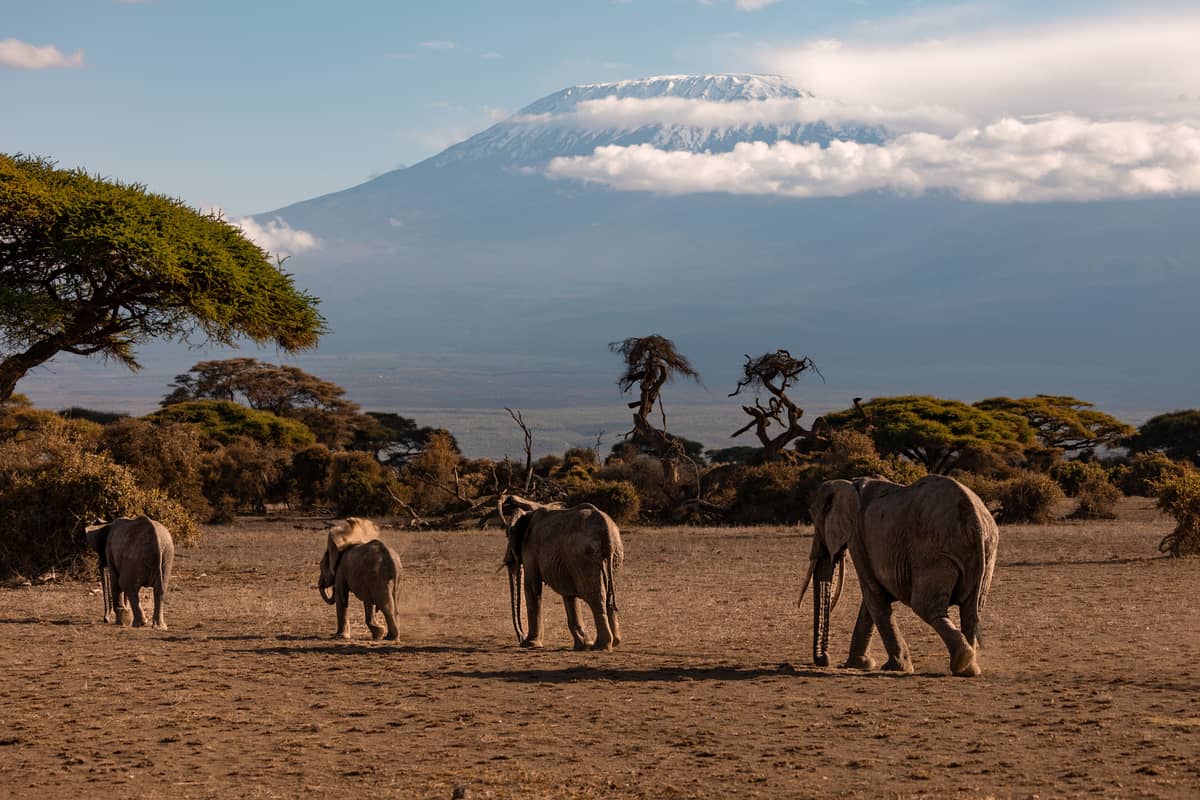
A dry basin of alkaline flats and spring-fed swamps beneath Kilimanjaro, close to the Tanzanian border. Elephants gather in the marshes through the day and are unusually easy to watch at close range, and the mountain is generally clearest at dawn before cloud builds over its summit.

Lake Nakuru, Kenya + Tanzania
LakeHalf day

Lake Nakuru

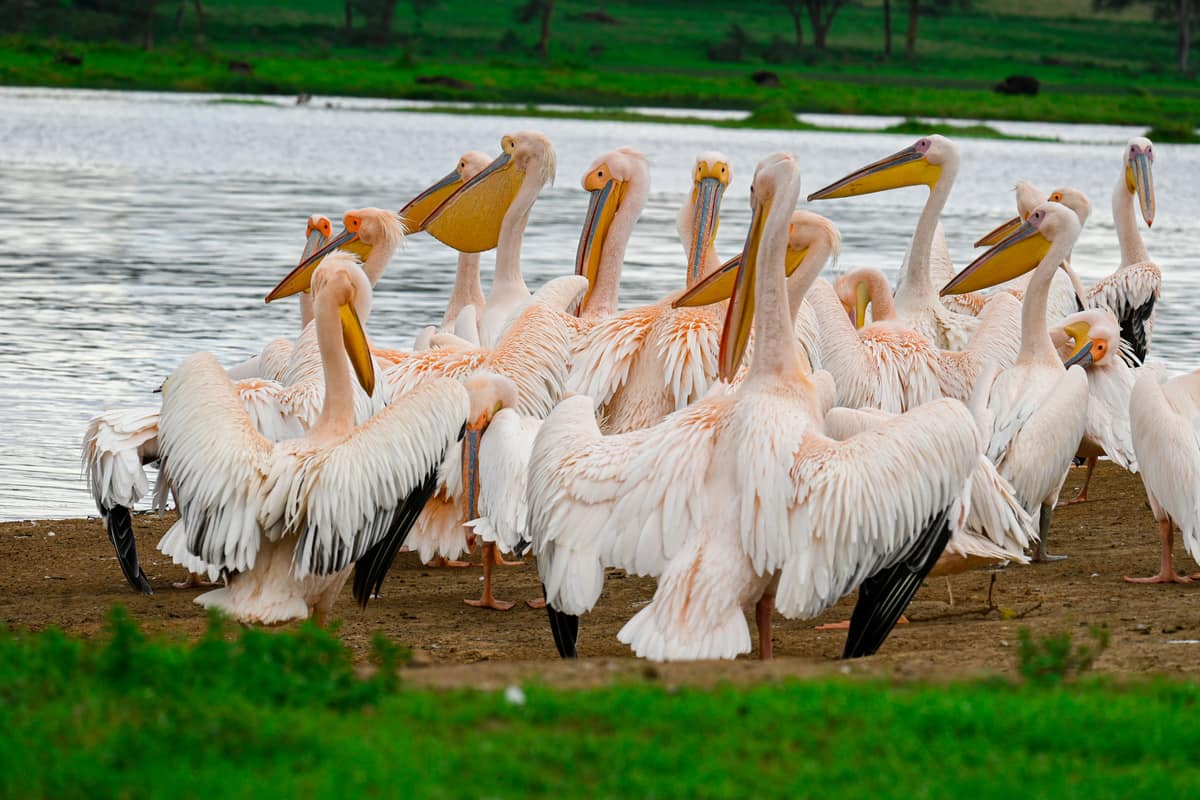
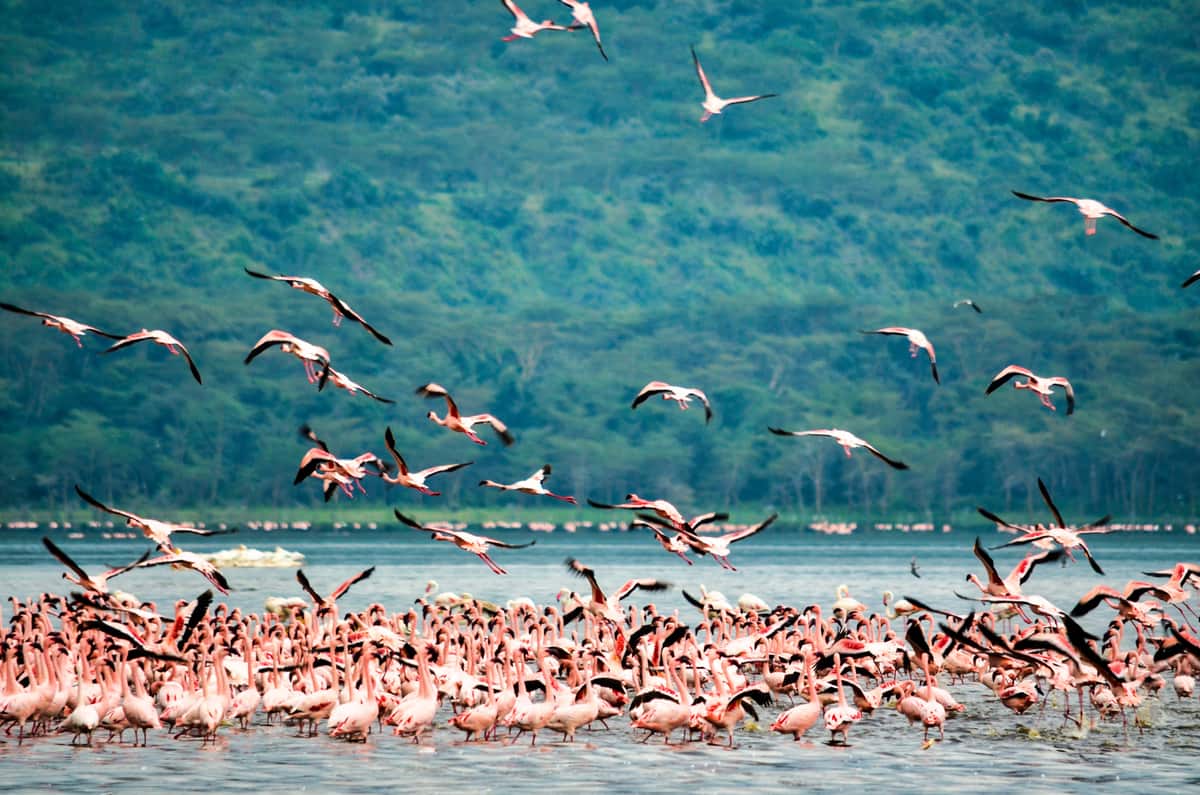
A soda lake on the floor of the Great Rift Valley, enclosed by a compact national park. Flamingo numbers fluctuate with water level and are no longer dependable, but the park is a stronghold for both black and white rhino and holds buffalo, giraffe and lions that rest in the acacias.

Serengeti National Park, Kenya + Tanzania
National ParkFull day

Serengeti National Park

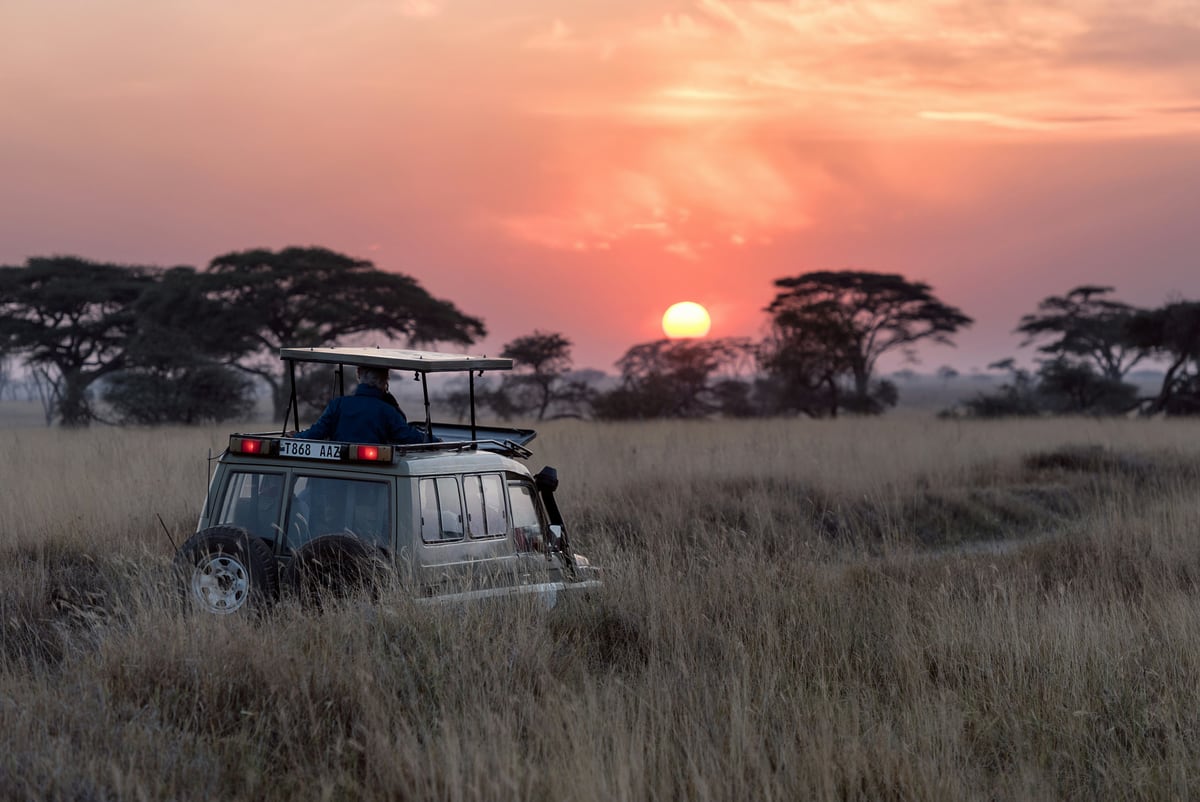
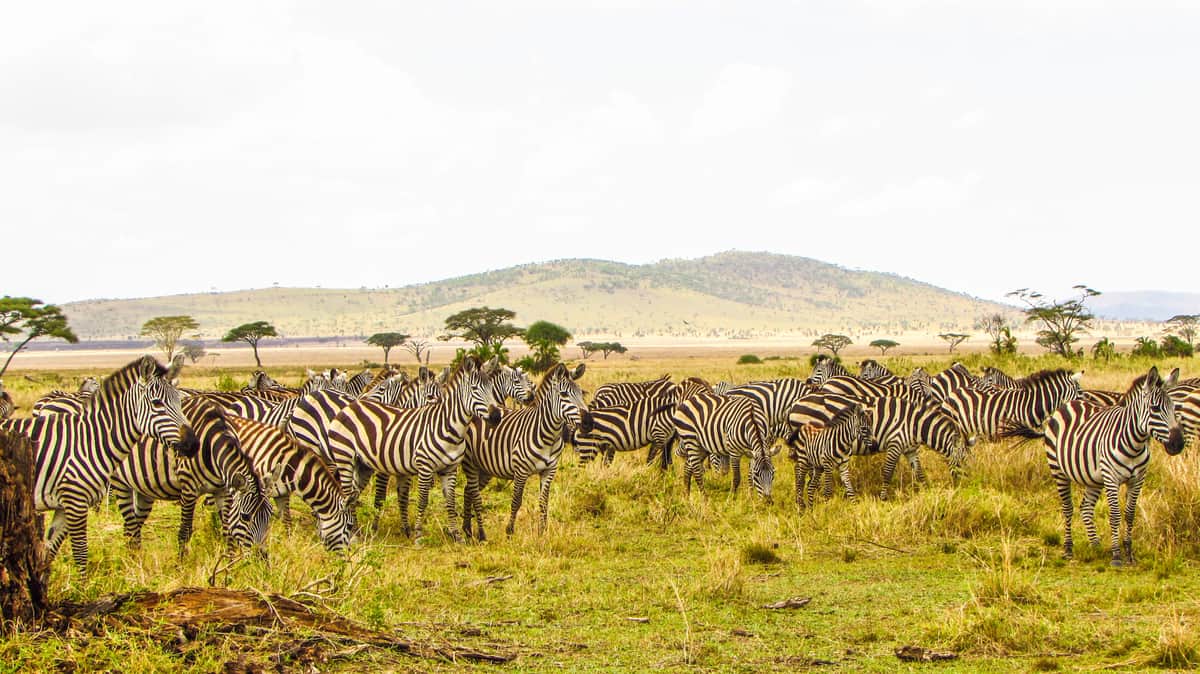
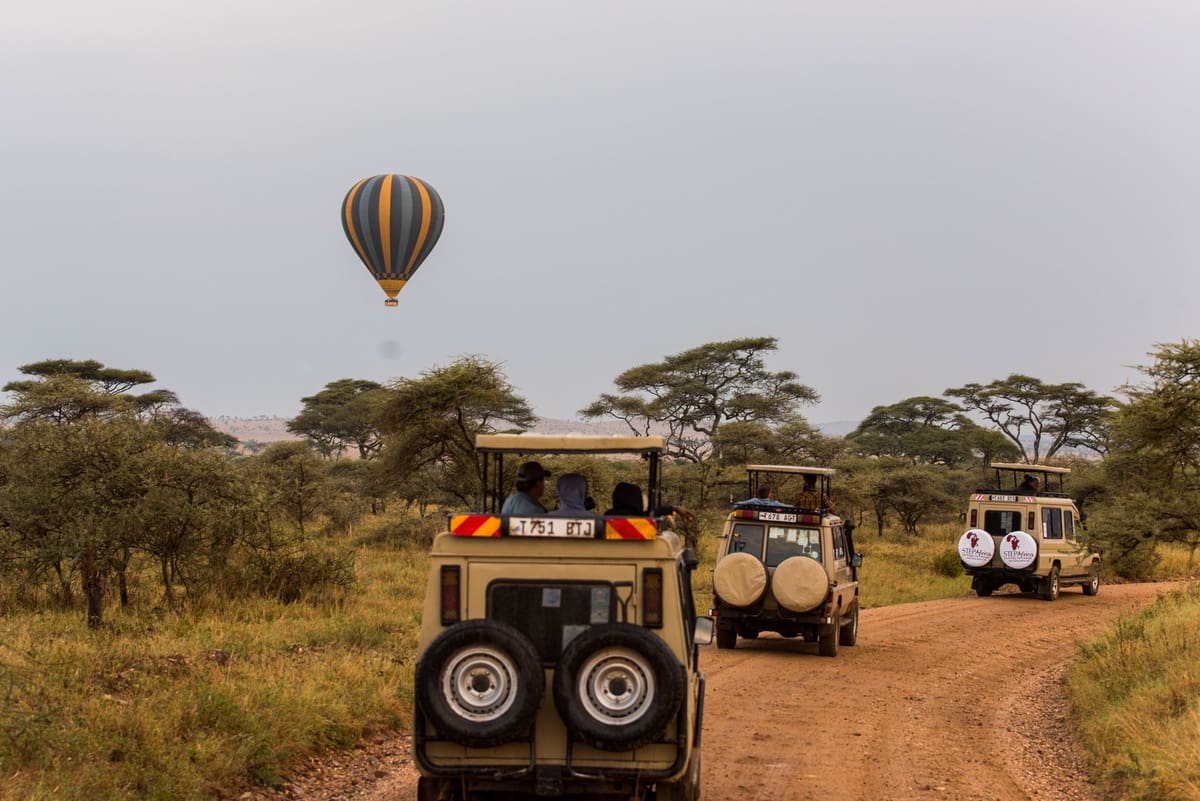
Tanzania's vast plains reserve, the southern extension of the same grassland system as the Maasai Mara. Game viewing shifts with the season as the herds move north and south, while the central Seronera valley holds resident predators year-round. Balloon flights over the plains launch before sunrise.

Ngorongoro Crater, Kenya + Tanzania
Nature ReserveFull day

Ngorongoro Crater

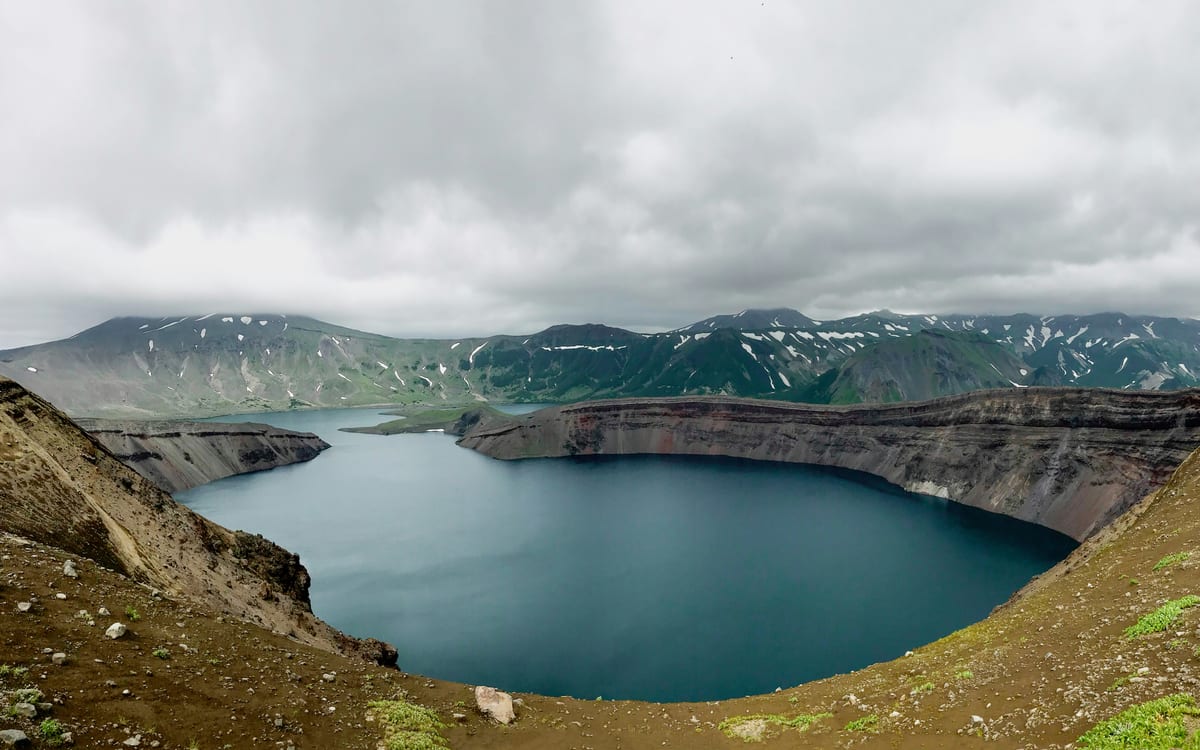
The floor of a collapsed volcanic caldera in northern Tanzania, reached by a steep descent road from the forested rim. The enclosed grassland, soda lake and swamp support a dense resident population of game, including some of the region's last black rhino. Drives on the floor are usually limited to part of a day.

Zanzibar, Stone Town & beaches, Kenya + Tanzania
IslandFull day

Zanzibar (Stone Town & beaches)

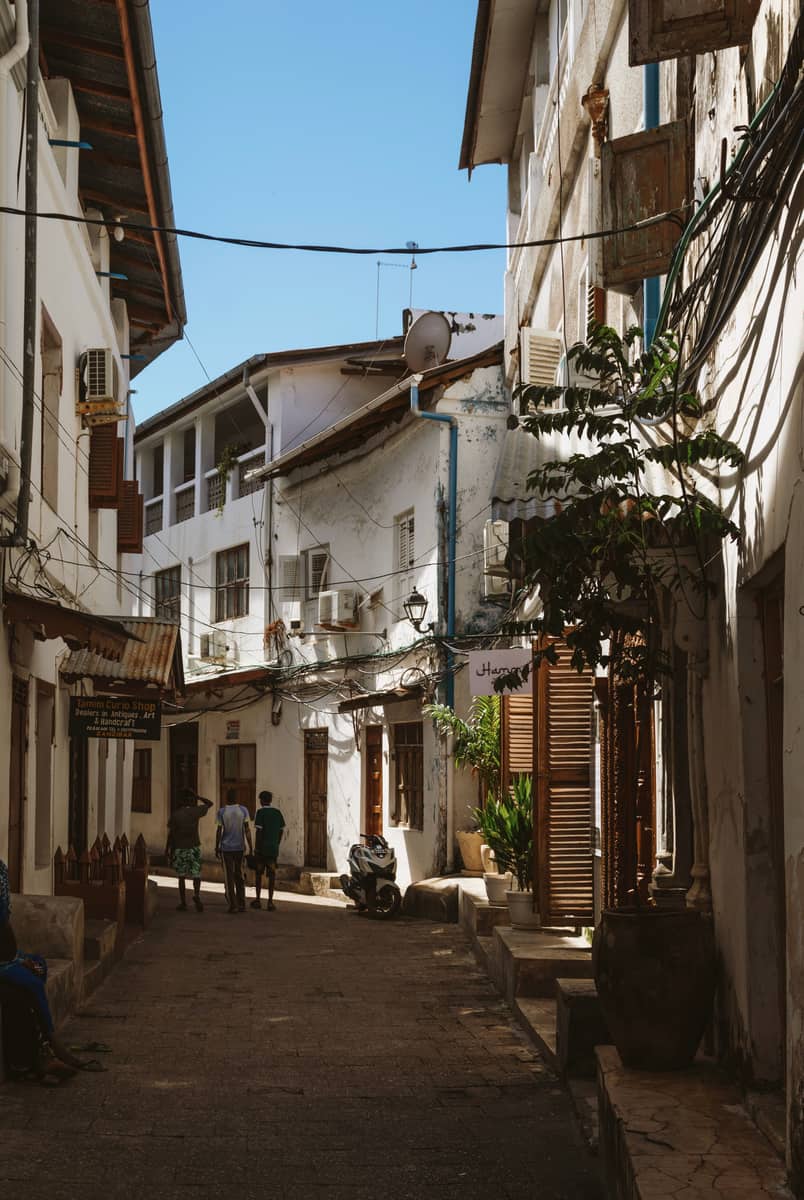
An Indian Ocean island off the Tanzanian coast. Stone Town's narrow lanes hold carved doors, the former slave market site and a seafront night market, reflecting Omani, Indian and Swahili influence, while the east and north coasts offer white sand, reefs and tidal flats where seaweed is farmed.

Tarangire National Park, Kenya + Tanzania
National ParkFull day

Tarangire National Park

A park along the Tarangire River in northern Tanzania, recognisable by its broad baobabs and tall termite mounds. In the dry months game concentrates along the river, with large elephant herds; birdlife is exceptional, and the park usually falls between Arusha and the crater on a northern circuit.

kenya-tanzania-place-08.webp
Historic districtHalf to full day

Stone Town, Zanzibar

Stone Town's lanes, carved doors and trading history add an urban cultural chapter to a wildlife-led journey. It is usually sequenced after the mainland safari and paired with a beach stay on Zanzibar.

A starting point, not a fixed package

Sample itinerary

Draft — subject to confirmation
  1. Day 1

    Maasai Mara National Reserve

    Visit Maasai Mara National Reserve.

  2. Day 2

    Amboseli National Park

    Visit Amboseli National Park.

  3. Day 3

    Lake Nakuru

    Visit Lake Nakuru.

  4. Day 4

    Serengeti National Park

    Visit Serengeti National Park.

  5. Day 5

    Ngorongoro Crater

    Visit Ngorongoro Crater.

  6. Day 6

    Zanzibar (Stone Town & beaches)

    Visit Zanzibar (Stone Town & beaches).

  7. Day 7

    Tarangire National Park

    Visit Tarangire National Park.

Season by season

Best time to visit

Janpeak
Febpeak
Marshoulder
Apravoid
Mayavoid
Junpeak
Julpeak
Augpeak
Seppeak
Octpeak
Novshoulder
Decpeak
PeakShoulderAvoidAwaiting data

Getting there from India

How to reach

Air

Nairobi and Kilimanjaro are practical gateways, with Zanzibar or Dar es Salaam useful for coastal extensions. Flights from India may require a connection.

Rail

There is no practical rail route from India. Rail within East Africa does not replace the border and safari transfers required by this circuit.

Road

The two-country route uses road border crossings and/or regional flights. Confirm the crossing, vehicle change and visa sequence before finalising the itinerary.

Know before you go

Travel essentials

Currency

Kenya uses the Kenyan shilling and Tanzania the Tanzanian shilling. Cards work at larger lodges, while cash is useful for tips and curio markets.

Language

Swahili is spoken across both countries and English is widely used in lodges, guiding and signage, so language is rarely a barrier.

Time difference

Kenya and Tanzania are both 2 hours 30 minutes behind Indian Standard Time (IST).

Weather

Warm days and cool nights across the highland reserves and crater rim, with long rains around March to May and shorter rains falling in November.

Connectivity

Local SIMs are cheap in both countries and eSIMs are supported, though coverage thins inside the Serengeti and Mara, where lodges provide Wi-Fi.

Food & culture

Everyday meals across Kenya and Tanzania pair ugali with greens, beans or grilled meat; Zanzibar and the coast add coconut, tamarind, pilau and biryani. Vegetarian food is manageable with notice, and halal food is standard along the Swahili coast. Dress modestly in Stone Town and ask before photographing people.

Entry requirements

Visa & permits

Ordinary Indian passport holders should obtain Kenya's approved Electronic Travel Authorisation before travel unless exempt. Tanzania permits eligible Indian passport holders to apply online and also lists visa-on-arrival access, but online completion is recommended; confirm the border sequence for both countries.

Kenya official eTA portal Checked 2026-08-30

Tanzania Immigration visa guidelines Checked 2026-08-30

Verify at time of bookingEntry rules can change. Confirm the latest requirements before payment and departure.

Small details, smoother days

Traveller tips

  1. Two currencies apply — Kenyan and Tanzanian shillings — while newer US dollar notes are widely accepted for park fees and tips.
  2. Both countries drive on the left, but the Namanga and Isebania border posts cost hours, so many itineraries use a light-aircraft hop between the Mara and the Serengeti instead.
  3. Bush flights impose strict baggage limits, usually soft-sided bags of around fifteen kilogrammes, so leave hard suitcases behind in Nairobi or Arusha.
  4. Tip the driver-guide separately from the lodge staff box; a daily amount per guest is the convention across East Africa.
  5. June to October is the driest and the classic safari window; the long rains from March to May make park tracks difficult and close some seasonal camps.
  6. Cover shoulders and knees in Stone Town, where the population is largely Muslim, and keep beachwear to the resort strips on the east coast.

A closer look

Useful answers

Kenya + Tanzania FAQs

June to October is generally the strongest period for a combined Kenya and Tanzania safari, with drier conditions across many major parks. January and February are also attractive, particularly for parts of the Serengeti ecosystem. March to May brings the main long rains, while November can have shorter rains that affect road conditions.

Start a conversation

Plan your Kenya + Tanzania holiday

Share the essentials. An Orbitz Holidays travel planner can follow up with suitable options.

Keep exploring internationally

Ask about Kenya + Tanzania on WhatsApp